



Is pain or a functional limitation affecting your daily life?
Our rehabilitation physicians can assess your condition, identify what is limiting your mobility or function, and determine the most appropriate treatment to help you regain the highest possible level of independence.
What is a rehabilitation doctor and what do they do?
A rehabilitation physician is a doctor specialising in Physical Medicine and Rehabilitation. Their role is not limited to prescribing physiotherapy: they assess the patient, make a medical and functional diagnosis, establish a prognosis, and determine which treatments are needed to restore function or reduce the consequences of an illness or injury.
When a patient attends a consultation, the specialist assesses both the underlying problem that caused the injury and, particularly, its consequences: pain, loss of strength, reduced mobility, gait disturbances, oedema, difficulty performing certain movements or loss of independence.
The assessment must be precise. Shoulder pain, for example, may originate from different muscles, tendons, joints or nerve structures. Correctly identifying the affected structure makes it possible to select the most appropriate treatment.
The rehabilitation physician leads and coordinates the treatment plan and works closely with physiotherapists and, when necessary, occupational therapists, speech and language therapists, nursing staff and specialists from other medical fields.
What is the difference between a rehabilitation physician and an orthopaedic specialist?
Although both specialists can treat musculoskeletal conditions, their roles are different and complementary.
An orthopaedic specialist specialises in the diagnosis and medical and surgical treatment of injuries and conditions affecting the musculoskeletal system.
A rehabilitation physician, by contrast, focuses particularly on the functional consequences of these and other conditions. Their goal is to restore mobility, strength, function and independence, manage pain, and determine the therapies required to achieve the best possible recovery.
For this reason, both specialists frequently work together, particularly after a fracture, injury or orthopaedic surgery.
How can we help you?
At barnaclínic+ we offer specialist medical rehabilitation and clinical physiotherapy for different types of injuries, medical conditions and functional limitations.
Musculoskeletal pain and injuries
Assessment, diagnosis and treatment of musculoskeletal pain and conditions affecting muscles, tendons, joints and nerves.
The most common problems include:
Spinal pain and conditions
Shoulder and knee pain

Tendinopathies and muscle injuries
Sprains and ligament injuries
Hand, wrist, ankle and foot conditions
Osteoarthritis and other degenerative conditions
Myofascial pain syndrome
Mobility limitations and loss of strength
Post-surgical and post-traumatic rehabilitation
After surgery, a fracture or trauma, it may be necessary to progressively restore mobility, strength and function.
We design personalised postoperative and post-traumatic rehabilitation programmes following:
Fractures and dislocations
Hip or knee replacement
Knee ligament surgery
Shoulder surgery
Orthopaedic and trauma surgery

Sports surgery
Tendon injuries
Other musculoskeletal injuries
Sports rehabilitation and sports medicine
Sports injury rehabilitation is aimed at both professional and amateur athletes who need to restore function after an injury and gradually return to physical activity.
The rehabilitation physician can assess the injury and its functional consequences and establish a personalised programme that may include physiotherapy, therapeutic exercise, restoration of mobility and strength, and progressive return to physical activity.
When required by the patient's individual needs, we work together with the Sports Medicine Unit of Hospital Sant Joan de Déu and barnaclínic+, also located at the Epsilon Physio Centre, ensuring continuity between injury treatment, functional recovery and a safe return to sport.
Neurological rehabilitation
Neurological rehabilitation aims to restore or compensate for functional impairments caused by diseases or injuries affecting the central or peripheral nervous system.
The goal is not only to restore movement, but to ensure that movement is functional and enables patients to regain the highest possible level of independence in their daily lives.
It may be indicated, among other situations, following:
Stroke
Traumatic brain injury
Spinal cord injuries
Peripheral nerve injuries

Neuromuscular diseases
Other neurological conditions
Facial paralysis
Facial paralysis rehabilitation requires a specific assessment of facial muscle function and any potential consequences resulting from facial nerve injury.
Treatment is coordinated with other specialists in facial paralysis surgery.
At barnaclínic+ we offer a specialist approach that may include:

Functional assessment
-
Facial neuromuscular retraining

Treatment of synkinesis and functional impairments
Botulinum toxin injections

Cancer rehabilitation
Cancer and some of its treatments can cause pain, loss of strength, mobility limitations, fatigue, neuropathy, impaired wound healing or lymphoedema, among other effects.
Cancer rehabilitation can help prevent, treat or reduce these problems during and after treatment.
The aim is to promote functional recovery, preserve independence and reduce the impact that the disease and its treatments may have on everyday life.
We provide specialist care for patients experiencing effects associated with, among others:

Breast cancer
Gynaecological cancer
Urological cancer
Head and neck cancer
Lymphoedema and lipoedema
Lymphoedema and lipoedema are different conditions that can cause swelling, discomfort and functional limitations.
Lymphoedema is caused by an impairment of the lymphatic system and can also develop following certain cancer treatments or surgical procedures. At barnaclínic+ we have experience in managing limb, breast and facial lymphoedema, including cases associated with cancer treatment.
Lipoedema primarily affects the fatty tissue of the limbs and can cause pain, heaviness and functional difficulties.
Assessment by a rehabilitation physician makes it possible to establish a personalised treatment plan, which may include specialist physiotherapy, therapeutic exercise, self-care measures and, when indicated, compression garments, with the aim of improving symptoms, mobility and quality of life.
Temporomandibular joint (TMJ) rehabilitation
Disorders of the temporomandibular joint (TMJ) can cause jaw pain, difficulty or limitations when opening the mouth, and discomfort that may extend to the neck, ear or head.
The rehabilitation physician can perform a functional assessment to identify the structures involved and establish a personalised treatment plan, which may include specific TMJ rehabilitation, physiotherapy, functional retraining and, in certain cases, botulinum toxin injections.
When necessary, treatment is provided through a multidisciplinary approach involving other professionals engaged in the diagnosis and treatment of temporomandibular disorders.
Rehabilitation after amputation
Rehabilitation after amputation aims to achieve the highest possible level of independence and function.
Advances in materials and prosthetic technology now provide increasingly lightweight and functional solutions, which must be selected individually according to each person's characteristics and needs.
Treatment may include:

Residual limb preparation and conditioning
Functional assessment and prosthetic prescription

Prosthetic fitting and training
Recovery of everyday activities
What can we do for you?
Medical assessment and functional diagnosis
Treatment begins with an assessment carried out by a physician specialising in Physical Medicine and Rehabilitation.
In addition to reviewing the previous diagnosis, we assess the functional consequences of the disease or injury: which movements have been lost, where pain occurs, which muscles are weak, which activities are difficult and to what extent the problem affects the patient's independence.
Based on this assessment, we establish the rehabilitation goals and an individualised treatment plan.

Musculoskeletal ultrasound
Musculoskeletal ultrasound makes it possible to examine muscles, tendons, ligaments, joints and certain nerve structures in real time.
It can help the rehabilitation physician refine the diagnosis and also enables certain ultrasound-guided interventional procedures to be performed with greater precision.

Ultrasound-guided interventions
In certain patients, minimally invasive ultrasound-guided procedures may be indicated to precisely target the structure responsible for pain or functional impairment.
The indication always depends on the diagnosis and the individual characteristics of each patient.
Injections and pharmacological treatment
The specialist may prescribe different pharmacological treatments and injection techniques to manage pain, inflammation, spasticity or other conditions.
Depending on the medical indication, available options include ultrasound-guided injections and botulinum toxin treatment.
Physical therapies and clinical physiotherapy
Clinical physiotherapy forms part of rehabilitation treatment and is prescribed according to the goals established during the medical assessment.
The programme may address, among other aspects: mobility, muscle strength, balance, coordination, gait, motor control, pain and functional recovery.
Therapeutic exercise plays a fundamental role. Reducing pain does not always mean that the underlying problem has been corrected. Restoring the ability of muscles and joints to perform their functions correctly helps consolidate the results and prevent recurrence.
Prescription of orthoses, prostheses and assistive devices
Physical Medicine and Rehabilitation also includes the prescription of orthoses, prostheses, assistive devices and therapeutic garments.
The rehabilitation physician determines which device may be most appropriate and how to integrate it into the patient's recovery process and efforts to regain independence.

Biomechanical assessment and injury prevention
When indicated, the assessment can be complemented by tools such as baropodometry and biomechanical analysis, particularly in patients with functional musculoskeletal impairments or problems related to sports and physical activity.
Coordinated treatment to restore function
Rehabilitation is a team effort. The rehabilitation physician carries out the medical assessment, establishes the functional diagnosis, defines the goals and coordinates the treatment plan.
Depending on the patient's needs, physiotherapists, occupational therapists, speech and language therapists, nursing staff and specialists from other medical fields may also be involved.
This coordinated approach makes it possible to address not only an injury or disease, but also its impact on the activities that truly matter to the patient: walking, working, playing sports, getting dressed, eating, communicating or regaining independence in everyday life.
Why choose barnaclínic+ for your rehabilitation?

Physicians specialising in Physical Medicine and Rehabilitation
The rehabilitation process is led by rehabilitation physicians in Barcelona, who carry out a medical and functional assessment, establish recovery goals and design a personalised treatment plan.
The rehabilitation physician does more than prescribe physiotherapy: they identify the affected structures and functions, establish a diagnosis and functional prognosis, and determine which treatments and healthcare professionals should be involved at each stage of the process.

Leadership and expertise from Hospital Clínic Barcelona
The Department is led by Dr Conxita Closa, a specialist in Physical Medicine and Rehabilitation at barnaclínic+, Head of the Rehabilitation Department at Hospital Clínic Barcelona and Medical Director of Epsilon Physio.
Dr Closa has extensive clinical, teaching and research experience in Physical Medicine and Rehabilitation and in coordinating multidisciplinary teams focused on functional recovery.

Epsilon Physio: a specialist rehabilitation and physiotherapy centre
barnaclínic+ patients can undergo their recovery programme at Epsilon Physio Sports Medical Center, a centre specialising in rehabilitation, physiotherapy and functional recovery, with barnaclínic+ as its medical partner.
Epsilon Physio is a rehabilitation centre in central Barcelona with 1,200 m² of facilities dedicated to diagnosis, treatment and functional recovery, including a functional recovery area and dedicated spaces for individualised treatments.
Under the medical direction of Dr Conxita Closa, rehabilitation physicians and physiotherapists work together to design programmes tailored to each patient's needs and goals, with access to assessment and treatment tools such as ultrasound, biomechanical analysis and baropodometry.
The Sports Medicine Unit of Hospital Sant Joan de Déu and barnaclínic+ is also located at the Epsilon Physio Centre, facilitating coordination, when required, with sports medicine specialists, sports physiotherapists and professionals specialising in return to physical activity.
Expertise across different areas of rehabilitation
Our team includes professionals specialising in musculoskeletal rehabilitation, neurological rehabilitation, post-surgical and post-traumatic rehabilitation, sports rehabilitation, facial paralysis, cancer rehabilitation, lymphoedema, TMJ disorders, amputee rehabilitation and ultrasound-guided interventions.
Dr Sandra Vázquez, a specialist in Physical Medicine and Rehabilitation at Hospital Clínic Barcelona and barnaclínic+, focuses particularly on peripheral facial paralysis, cancer rehabilitation and lymphoedema, TMJ disorders, musculoskeletal ultrasound and ultrasound-guided interventions.
Personalised diagnosis and treatment
No two recovery processes are exactly the same.
The disease or injury, the patient's previous functional status and, above all, the activities each person needs to regain determine the treatment goals.
For this reason, we design individualised rehabilitation plans focused on functional outcomes, monitoring progress and adapting treatment to the different stages of recovery.

Advanced technology and treatments
Physical Medicine and Rehabilitation now has diagnostic and therapeutic tools that enable increasingly precise treatments.
Depending on the indication, we integrate musculoskeletal ultrasound, ultrasound-guided interventions, specialist physiotherapy, therapeutic exercise, injections, botulinum toxin, physical therapies, biomechanical assessment and orthotic and prosthetic prescription, among other options.

Multidisciplinary care
Rehabilitation is a cross-disciplinary medical specialty. Depending on the cause and consequences of the disease or injury, our rehabilitation physicians work closely with other specialists and healthcare professionals to address each patient's different needs.
barnaclínic+'s integration within the Hospital Clínic Barcelona environment facilitates coordination with specialists in Traumatology and Orthopaedics, Neurology, Neurosurgery, Oncology, Oral and Maxillofacial Surgery, Otorhinolaryngology, Cardiology, Urology, Gynaecology and other specialties whenever required.
In addition, the Epsilon Physio Centre is home to the Sports Medicine Unit of Hospital Sant Joan de Déu and barnaclínic+, with which we work closely when recovery requires a sports medicine assessment, sports physiotherapy, return-to-exercise rehabilitation or a gradual and safe return to sport.
This ability to coordinate care allows us to address not only the injury or disease itself, but also its functional consequences and each patient's specific goals.
Regaining mobility means regaining independence
In rehabilitation, the goal is not simply to eliminate pain or improve the results of a clinical assessment.
The true measure of success is enabling people to return to the activities they need to perform.
For this reason, every treatment is aimed at achieving the highest possible level of functional recovery and, when there are lasting effects that cannot be completely eliminated, finding strategies to compensate for them, reduce their impact and preserve the highest possible level of independence and quality of life.
Request an in-person appointment or a second opinion remotely.
Frequently Asked Questions about Rehabilitation and Physical Medicine
What is a rehabilitation physician?
A rehabilitation physician is a doctor specialising in Physical Medicine and Rehabilitation who is dedicated to the diagnosis, prevention and treatment of functional limitations caused by diseases, injuries, surgery or trauma.
Their goal is to help patients regain the highest possible level of function and independence.
What does a rehabilitation physician do?
They assess the patient, identify the causes of their functional limitations, establish a diagnosis and prognosis, and design the treatment required to restore mobility, strength, function and independence.
They may also prescribe physiotherapy, therapeutic exercise, medication, injections, prostheses, orthoses and other therapies, as well as coordinate the different healthcare professionals involved in the rehabilitation process.
What is the difference between a rehabilitation physician and a physiotherapist?
A rehabilitation physician is a specialist doctor who diagnoses conditions, prescribes treatments and oversees the overall rehabilitation plan.
A physiotherapist is a healthcare professional specialising in the application of different physical techniques and therapeutic exercise programmes to restore mobility and function.
Both work together as part of the rehabilitation process.
What is the difference between a rehabilitation physician and an orthopaedic specialist?
An orthopaedic specialist focuses primarily on diseases and injuries of the musculoskeletal system and can provide surgical treatment.
A rehabilitation physician focuses particularly on restoring function and treating the functional consequences of injuries, diseases or medical procedures, whether or not they are related to trauma or orthopaedic conditions.
They are different but complementary medical specialties.
When should I see a rehabilitation physician?
It may be advisable to consult a rehabilitation physician if you have persistent pain, loss of mobility or strength, difficulty walking or performing certain activities, lasting effects after surgery or trauma, or functional limitations associated with neurological, musculoskeletal or cancer-related conditions.
Are rehabilitation and physiotherapy the same?
No. Physiotherapy is one of the treatments that may be used as part of a rehabilitation programme.
Physical Medicine and Rehabilitation is a medical specialty that provides a comprehensive assessment of the patient and may combine physiotherapy with therapeutic exercise, pharmacological treatments, injections, interventional procedures, orthoses, prostheses and other measures.
How long does rehabilitation treatment take?
It depends on the disease or injury, its severity, the patient's functional status and the goals established.
Treatment is reviewed regularly and adapted according to the patient's progress and the level of functional recovery achieved.
Should I continue exercising once the pain has gone?
In many cases, yes. The disappearance of pain does not necessarily mean that function has been fully restored.
Continuing the prescribed exercise programme may be essential to restore strength, mobility and muscle control and reduce the risk of the problem recurring.
Is rest recommended when you are in pain?
It depends on the cause and stage of the injury, but prolonged complete rest is recommended in very few situations.
The rehabilitation physician will determine the appropriate level of activity and when to gradually begin movement and therapeutic exercise.
Can I see a rehabilitation physician if I have been in pain for months or years?
Yes. Chronic pain does not necessarily mean that there are no treatment options available.
An assessment can identify which factors can be treated and establish strategies aimed at reducing pain, improving function and minimising its impact on everyday life.
REHABILITATION BLOG
Ejercicio terapéutico, ecografía e infiltraciones: así se trata hoy en rehabilitación
El ejercicio terapéutico —ejercicio pautado por un médico con un objetivo clínico concreto, que no es lo mismo que hacer deporte— se ha convertido en uno de los pilares del tratamiento en rehabilitación. Pero no es la única herramienta: la Medicina Física y Rehabilitación ha incorporado en los últimos años la ecografía musculoesquelética, el intervencionismo […] La entrada Ejercicio terapéutico, ecografía e infiltraciones: así se trata hoy en rehabilitación aparece primero en Blog de Rehabilitación.
La parálisis facial se cura, casi siempre
La parálisis facial es una enfermedad que produce déficits funcionales como la incapacidad para cerrar el ojo y levantar la ceja del lado afectado, comer, hablar, sonreír, respirar adecuadamente por la nariz, etc. A pesar de que se puede hacer vida relativamente normal con parálisis facial, la persona afectada experimentará sensación de debilidad muscular en […] La entrada La parálisis facial se cura, casi siempre aparece primero en Blog de Rehabilitación.
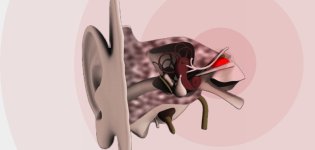
Neurinoma del acústico: causas, síntomas, tratamiento y complicaciones
El neurinoma del acústico o también llamado schwannoma vestibular es un tumor benigno producido por el crecimiento descontrolado de las células que revisten al nervio vestibular (Cels. de Schwann). Suele tener un crecimiento lento pero en ocasiones debido a su tamaño y a la compresión de estructuras vecinas puede crear problemas vitales. Por este motivo, será […] La entrada Neurinoma del acústico: causas, síntomas, tratamiento y complicaciones aparece primero en Blog de Rehabilitación.