



25 September, 2025
What happened to Gavi’s knee injury and his meniscus tear?
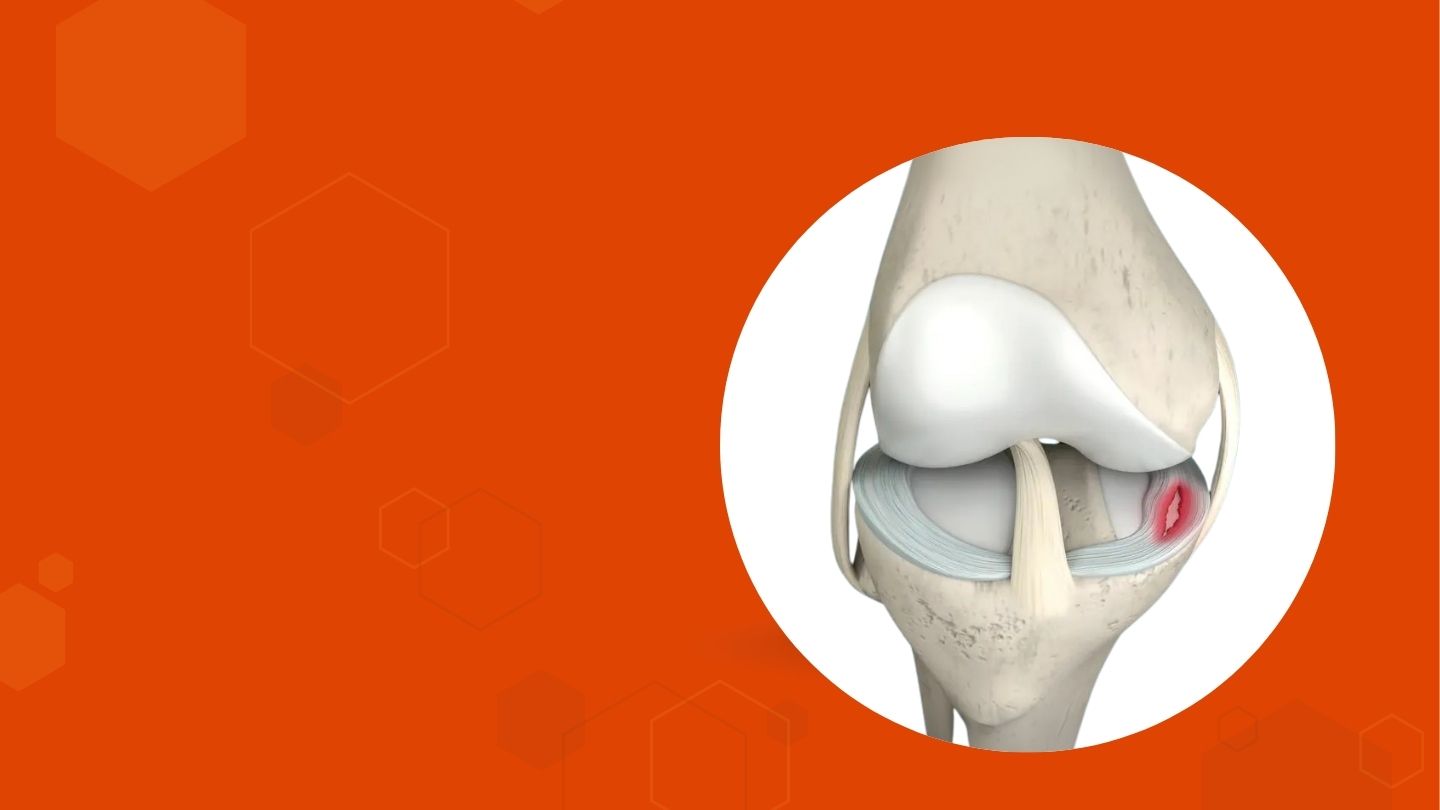
Some time ago, we explained in this blog what Ansu Fati’s meniscus injury meant and how it could evolve. The case of Gavi shows some similarities, although every injury is unique and the outcome is not always the same. In this article, we will review what the meniscus is, what a meniscus tear involves, the main symptoms of a torn meniscus, the different treatment options — from conservative meniscus treatment to arthroscopic meniscus surgery — and the recovery times depending on each case.
Gavi’s injury: tear of the medial meniscus
In 2023, the medical report confirmed that Gavi had suffered a complete tear of the anterior cruciate ligament (ACL) in his right knee, along with an associated injury to the lateral meniscus. He underwent reconstructive surgery and was sidelined for over a year.
Now, the player has suffered a radial tear of the medial meniscus in the same knee. This is considered an independent injury, as this time the other meniscus has been damaged. A torn medial meniscus can cause pain and inflammation and, if the tear is extensive, it may behave almost like a total meniscectomy, increasing joint overload by up to 300%. This accelerates cartilage wear and raises the risk of early osteoarthritis, especially in footballers with genu varum (bow-legged alignment).
Parameniscitis: what it is and what it means
In Gavi’s case, there was also evidence of internal parameniscitis, which is inflammation of the peripheral area of the meniscus. This condition causes pain, reduced mobility, and affects the normal function of the knee. The recovery time for parameniscitis varies, but it may be longer if combined with a significant meniscus tear.
“A meniscus tear does not always require surgery, but when the medial meniscus is torn and persistent pain occurs, surgery may be the best option.”

Conservative vs. surgical treatment
At first, a conservative treatment for the torn meniscus was attempted, aiming to control inflammation, stabilize the knee, and avoid painful locking. However, when this was not effective, arthroscopic meniscus surgery was performed.
In general, when a radial tear affects the avascular zone of the meniscus, it cannot heal on its own, and a partial meniscectomy (removal of the torn portion) is necessary. A total meniscectomy is rarely performed nowadays, as it removes the entire meniscus and accelerates osteoarthritis. Whenever possible, surgeons prefer to repair the tissue with a meniscus suture, even though recovery takes longer.
“Conservative meniscus treatment can work in some cases, but for athletes like Gavi we usually opt for a meniscus suture to preserve the joint.”
Meniscus suture and recovery
In Gavi’s case, the final decision was a meniscus suture. This procedure requires a slower recovery process: initially, no weight can be placed on the operated leg, and there is a higher risk of muscle atrophy. However, meniscus suture recovery offers the best option to preserve the joint and prevent the long-term consequences of a complete meniscectomy.
The initial medical report estimated 1–2 months of downtime for a meniscus tear, but after surgery this was extended to 4–5 months of recovery, reflecting the complexity of the injury.
After-effects and consequences of meniscus surgery
The after-effects of medial meniscus surgery depend on whether a meniscectomy or a suture is performed. In the first case, the consequences of meniscus surgery include greater cartilage wear and a higher risk of early osteoarthritis. With suturing, although the downtime for a meniscus tear is longer, the goal is to preserve the knee in the long term.
“Arthroscopic meniscus surgery can have consequences if tissue is removed; that’s why, whenever possible, we prefer to repair the meniscus rather than remove it.”
When will Gavi return from his injury?
One of the most frequent questions is: when will Gavi return from his injury? After undergoing arthroscopic meniscus surgery and meniscus repair, the estimated recovery time is around 4–5 months. In other words, the answer to how long until Gavi is back from injury depends on his progress, but it is expected that he will return to competition in the second half of the season.
Meniscus tear and meniscus suture: what we can learn from Gavi’s case
A meniscus tear, whether of the medial or lateral meniscus, is a common injury in footballers and elite athletes. Recognizing the symptoms, understanding the treatment options — from conservative treatment to surgery — and considering the recovery time are all crucial for proper rehabilitation.
In Gavi’s case, the decision to perform a meniscus suture aims to protect his knee in the long run, even though the recovery time for a meniscus tear is longer.