



Do you have persistent respiratory symptoms or have you been diagnosed with a lung nodule?
Our team of specialists in pulmonology and lung cancer can assess your case, review your existing test results and guide you through the next steps.
What is lung cancer?
Lung cancer is a disease that develops when certain cells in the lungs begin to grow uncontrollably, forming a malignant tumour. These cells can invade nearby tissues and, in some cases, spread to other parts of the body.
It is one of the most common types of cancer and one of the leading causes of cancer-related deaths worldwide. Smoking is the main risk factor, although lung cancer can also develop in people who have never smoked.
One of the main challenges in detecting lung cancer is that it may not cause any symptoms in its early stages. This is why early diagnosis of lung cancer is particularly important: when the disease is detected at an early stage, there are more opportunities for potentially curative treatments.
Advances in recent years have transformed lung cancer care. Minimally invasive surgery, immunotherapy, targeted therapies and new diagnostic techniques make it possible to offer increasingly personalised lung cancer treatments.
Types of lung cancer
There are two main types of lung cancer:

Non-small cell lung cancer (NSCLC)
Non-small cell lung cancer (NSCLC) is the most common type of lung cancer, accounting for approximately 85% of cases. It includes several subtypes, such as adenocarcinoma, squamous cell carcinoma and large cell carcinoma. Treatment depends on the stage of the disease, the characteristics of the tumour and the patient's overall health.

Small cell lung cancer (SCLC)
Small cell lung cancer (SCLC) is less common and tends to grow and spread more rapidly. It is strongly associated with tobacco smoking and requires a different treatment approach, primarily based on systemic therapies and, depending on the case, radiotherapy.
Identifying the type of lung cancer is essential to determine the most appropriate treatment.
What are the first symptoms of lung cancer?
In its early stages, lung cancer can develop without causing any noticeable symptoms. In fact, some tumours are discovered incidentally during an X-ray or CT scan performed for another reason. When symptoms of a lung tumour do appear, they can vary depending on its size and location.
The most common symptoms of lung cancer include:

Persistent cough

Shortness of breath

Coughing up blood

Chest or shoulder pain

Voice changes

Fatigue and weight loss
These lung cancer symptoms can also be caused by many other respiratory conditions and do not necessarily mean that cancer is present. However, if they persist, it is important to consult a specialist.
Does stage 1 lung cancer cause symptoms?
Stage 1 lung cancer is usually asymptomatic. At this stage, the tumour is localised and has not spread to the lymph nodes or other organs.
For this reason, it is not advisable to wait until symptoms of a lung tumour appear before assessing the risk of developing the disease. For people with certain risk factors, a specialist may recommend early lung cancer screening.
Learn more about early lung cancer detection
Does a lung nodule mean I have cancer?
No. Most lung nodules are benign and may be caused by previous infections, inflammatory conditions or other factors.
To determine whether a lung nodule requires monitoring or further tests, the specialist assesses its size, shape, radiological characteristics, changes over time and the patient's risk factors.
How can we help you?
At barnaclínic+, we provide specialised care for lung tumours and lung cancer, from early detection and diagnosis to treatment and follow-up.
· Risk assessment and early lung cancer detection.
· Assessment and monitoring of suspicious lung nodules.
· Lung cancer diagnosis and staging.
· Treatment of non-small cell and small cell lung cancer.
· Lung cancer surgery, including minimally invasive and robotic techniques.
· Assessment of personalised cancer treatments and second medical opinions.
· Post-treatment follow-up and monitoring for possible recurrence.
Lung cancer diagnosis
Detecting lung cancer in its early stages is essential to increase the chances of successful treatment and cure. However, the disease can develop without causing symptoms, making early diagnosis particularly important for people with risk factors, such as current and former smokers.
The main screening test for early detection is a low-dose CT scan (LDCT), which can identify small lung nodules before symptoms appear. However, finding a lung nodule does not necessarily mean that cancer is present, as most nodules are benign.
When a suspicious lesion is detected, the specialist may recommend several tests to confirm the diagnosis and determine the extent of the disease:
· Chest CT scan and PET-CT scan: help locate the tumour and assess whether the cancer has spread.
· Bronchoscopy and lung biopsy: allow tissue samples to be collected to confirm the diagnosis.
· Molecular testing: identifies biomarkers that can help guide treatment decisions.
· Pulmonary function tests: assess lung function, particularly before potential surgery.
At barnaclínic+, our specialists work together as a multidisciplinary team to provide an accurate, personalised diagnosis, tailoring diagnostic tests to each patient's individual characteristics and needs.
Lung cancer treatment
Lung cancer treatment depends on the type of tumour, its stage, molecular characteristics and the patient's overall health.
At barnaclínic+, we take a multidisciplinary approach, bringing together specialists to assess the available options and provide treatment tailored to each patient.
The main treatment options include:

Lung Cancer Surgery
Surgery is one of the main potentially curative treatments for lung cancer when the tumour is localised and the patient is fit enough to undergo an operation. The aim is to remove the tumour completely while preserving as much lung function as possible.
Depending on the characteristics and extent of the tumour, different surgical procedures may be performed:
· Lung lobectomy: removal of the lung lobe containing the tumour.
· Lung segmentectomy: removal of a segment of the lung, indicated for certain small, localised tumours.
· Pneumonectomy: complete removal of one lung, reserved for specific cases.
Today, many of these procedures can be performed using minimally invasive, thoracoscopic or robotic-assisted surgery, through small incisions rather than opening the chest. These techniques can reduce postoperative pain, support faster recovery and minimise surgical trauma. Robotic lung cancer surgery provides surgeons with an enhanced three-dimensional view and highly precise instruments, making it easier to perform complex procedures in anatomically challenging areas.
At barnaclínic+, our thoracic surgery specialists assess each case individually to select the most appropriate procedure and surgical approach, prioritising patient safety, recovery and quality of life.

Other Lung Cancer Treatments
In addition to lung cancer surgery, several other treatments are available, which may be used individually or in combination:
· Chemotherapy. Uses medicines that target cancer cells. It may be given before or after surgery or used as the main treatment.
· Immunotherapy. Helps the immune system recognise and fight cancer cells. It is used for certain types and stages of lung cancer.
· Targeted therapies. These treatments are designed to act on specific molecular alterations in the tumour, when such alterations are present and an appropriate targeted treatment is available.
· Radiotherapy. Uses radiation to destroy cancer cells. It may be used as the main treatment in certain situations, combined with other therapies or given to relieve symptoms.
Treatment is selected on an individual basis and may be adjusted according to the patient's response and the progression of the disease.
Have you been diagnosed with lung cancer and want to explore your treatment options?
Our specialists can review your diagnosis and test results to provide a personalised medical assessment and answer any questions you may have.
Request a second medical opinion or enquire about the possibility of an online medical consultation.
Why choose barnaclínic+ for the diagnosis and treatment of lung cancer?

Multidisciplinary approach
Lung cancer requires coordinated care from different medical specialists. A multidisciplinary assessment makes it possible to evaluate the characteristics of each tumour and determine the most appropriate treatment options.

Advanced technology and surgical techniques
The use of minimally invasive and robotic thoracic surgery techniques allows certain procedures to be performed with greater precision and less surgical trauma.

Personalised care and support throughout the process
From diagnosis to post-treatment follow-up, our goal is to provide compassionate care, clear and understandable information, and support tailored to each patient's needs.

Personalised treatments
Every patient is different. Treatment decisions take into account the type and stage of lung cancer, the tumour's molecular characteristics, lung function and each patient's individual needs.

Specialists from Hospital Clínic de Barcelona
At barnaclínic+, our team includes experienced specialists in the diagnosis and treatment of respiratory diseases and cancer, working within the healthcare environment of Hospital Clínic de Barcelona.
We're here to help
If you need information about lung cancer diagnosis or treatment, have questions about a diagnostic test or would like to request a specialist consultation, please contact our team.
At barnaclínic+, we'll help you find the right specialist and the most appropriate care for your needs.
Frequently asked questions about lung cancer
What are the early signs and symptoms of lung cancer?
In its early stages, lung cancer may not cause any symptoms. When symptoms do appear, the most common include a persistent cough, shortness of breath, chest pain, fatigue and recurrent respiratory infections. Coughing up blood is also a warning sign that requires medical assessment.
Does stage 1 lung cancer cause symptoms?
Stage 1 lung cancer is usually asymptomatic because the tumour is still small and localised. This is why many cases are detected incidentally during tests performed for other reasons or through lung cancer screening programmes for people at high risk.
How is lung cancer detected and diagnosed?
Lung cancer diagnosis may involve imaging tests, such as a chest CT scan and PET-CT scan, as well as a biopsy to confirm the presence of cancer cells. In people at high risk, low-dose CT screening can detect suspicious lesions before symptoms develop.
Does a lung nodule mean I have cancer?
No. Most lung nodules are benign. To assess the risk of malignancy, the specialist examines their size, shape, changes over time and the patient's medical history. Some nodules only require regular monitoring, while others need further diagnostic tests.
Can lung cancer be cured?
Yes, lung cancer can be cured in certain cases, particularly when it is detected at an early stage and can be treated with curative intent. The chances of a cure depend on the type of lung cancer, how far it has spread, the tumour's characteristics and the patient's overall health.
What is the best treatment for lung cancer?
There is no single lung cancer treatment that is suitable for every patient. Depending on the type of tumour and the stage of the disease, treatment options may include surgery, radiotherapy, chemotherapy, immunotherapy or targeted therapies, used alone or in combination. Treatment decisions should be made individually by a multidisciplinary medical team.
When is lung cancer surgery an option?
Surgery is mainly used when the tumour is localised and can be completely removed. The patient's lung function and overall health must also be assessed. In certain cases, surgery may be combined with other treatments before or after the operation.
What is the difference between a lung lobectomy and a segmentectomy?
A lobectomy involves removing one of the lobes of the lung, while a segmentectomy removes only a segment of the lung. Segmentectomy may be suitable for certain small, localised tumours, provided the necessary oncological criteria are met.
What are the benefits of robotic lung cancer surgery?
Robotic surgery allows procedures to be performed through small incisions, using enhanced three-dimensional vision and highly precise instruments. In selected patients, robotic lung cancer surgery may offer benefits, such as faster recovery and less postoperative pain compared with certain open surgical approaches. However, it is not suitable for every patient.
Can you live a normal life after lung cancer surgery?
Many people can regain a good quality of life after lung cancer surgery, although recovery depends on the type of procedure, pre-existing lung function and the patient's overall health. Pulmonary rehabilitation, tailored exercise and regular medical follow-up can help support recovery.
What is recovery like after lung cancer surgery?
Recovery depends on the type of surgery performed, the patient's lung function before the operation and their overall health. Enhanced Recovery After Surgery (ERAS) protocols include measures before, during and after surgery to promote faster recovery. The aim is to help patients gradually regain their independence and return to their usual activities, while reducing complications and the length of hospital stay whenever possible.
BLOG
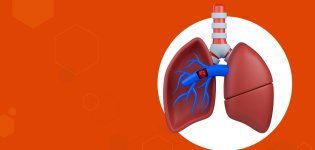
What to do if you have been diagnosed with a pulmonary nodule?
The detection of a pulmonary nodule is a common finding in thoracic imaging studies, such as chest X-rays or computed tomography (CT) scans. Although most of these lung nodules are benign, it is essential to carry out an adequate evaluation to rule out malignancy or lung cancer and determine the most appropriate treatment. “Detecting a […] La entrada What to do if you have been diagnosed with a pulmonary nodule? se publicó primero en Blog de Cirugía Torácica.
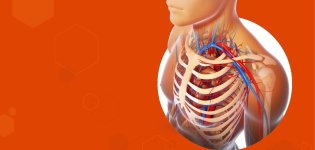
What is the mediastinum and what conditions may require surgery?
The mediastinum is a key anatomical area of the chest that, although little known to most people, plays a vital role. It is located between the lungs and houses organs such as the heart, the great vessels, the trachea, the esophagus, and the thymus gland. Various conditions can develop in this area and, in some […] La entrada What is the mediastinum and what conditions may require surgery? se publicó primero en Blog de Cirugía Torácica.