



WHAT IS LOSS OF SMELL?
Loss of smell, medically known as anosmia (total loss) or hyposmia (partial reduction), is a common condition that can appear suddenly or progressively.
The sense of smell is essential for detecting odours, enjoying food, recognising environmental risks and maintaining daily wellbeing. When it is affected, it can have a significant impact on everyday life.
Specialists in loss of smell in Barcelona
At barnaclínic+, we have a team of otolaryngology specialists from Hospital Clínic de Barcelona with extensive experience in the diagnosis and treatment of loss of smell.
We combine clinical expertise, advanced diagnostic tests and innovative evidence-based treatments to manage both recent cases and persistent anosmia.
HAVE YOU LOST YOUR SENSE OF SMELL AND NOT RECOVERED IT?
It is common to lose your sense of smell after infections such as COVID-19, flu or colds. In many patients, recovery occurs spontaneously within days or weeks.
However, when there is no improvement after 3 or 4 months, it is advisable to consult a specialist. If after one year there has been no change, spontaneous recovery is less common and advanced treatments should be considered.
CAUSES OF LOSS OF SMELL
Loss of smell can have different causes. Identifying the cause is essential to make an accurate diagnosis and determine the most appropriate treatment.

VIRAL INFECTIONS

NASAL PATHOLOGY

TRAUMA

OTHER CAUSES
Each case requires an individualised assessment, as prognosis and treatment options may vary depending on the cause and the duration of symptoms.
TREATMENTS FOR LOSS OF SMELL

Initial conservative treatments
- Nasal rinses with saline solution
- Topical corticosteroids in indicated cases
- Treatment of nasal inflammation
- Management of associated conditions

Olfactory training
Olfactory training consists of stimulating the olfactory system daily with different scents for several months to promote regeneration of the olfactory pathway.

Advanced treatments
When conservative measures do not work, innovative techniques to recover the sense of smell such as PRP (platelet-rich plasma) may be considered.
PRP is obtained from the patient’s own blood and injected into the olfactory area to stimulate regeneration of the olfactory epithelium.
PRP THERAPY
WHICH PATIENTS RESPOND BEST TO PRP?
The best candidates are usually:
- Patients with loss of smell after COVID-19 or viral infections
- Cases in which the nerve pathways are preserved
- Patients with persistent loss of smell without response to conservative treatment
- Some post-traumatic cases
WHEN ARE RESULTS NOTICEABLE?
Many patients begin to notice changes between 4 and 6 weeks after the first infiltrations.
They usually first recover olfactory sensations and later the ability to identify different smells, especially when combined with olfactory training.
IS PRP TREATMENT PAINFUL?
The procedure is performed under local anaesthesia in the nasal cavities. The infiltrations are carried out with very fine needles and normally discomfort is minimal. A small self-limiting bleed may occur, but it is considered a safe and well-tolerated technique.
CAN THE SENSE OF SMELL BE RECOVERED?
In many cases, yes. Recovery of the sense of smell depends mainly on the cause and how long the condition has been present.
Recent loss of smell usually has a better prognosis. Even in long-standing cases, effective therapeutic options may exist to partially or fully improve olfactory function.
WHY CHOOSE BARNACLÍNIC+ OTOLARYNGOLOGY?

Experience and specialisation
Hospital Clínic de Barcelona team with extensive experience in anosmia and olfactory disorders.

Accurate diagnosis
Specific tests to correctly identify the cause of loss of smell.

Innovative treatments
Access to advanced therapies such as PRP for anosmia.

Personalised care
Each patient receives a strategy tailored to their case.

Multidisciplinary approach
Collaboration with other specialties whenever necessary.
PREGUNTAS FRECUENTES SOBRE PÉRDIDA DE OLFATO
FREQUENTLY ASKED QUESTIONS ABOUT LOSS OF SMELL
I have lost my sense of smell, what should I do?
If you have suddenly lost your sense of smell, especially after flu, a cold or COVID-19, the most advisable thing is to monitor its evolution during the first few days. In many cases, recovery occurs spontaneously.
If the loss of smell persists for several weeks, worsens or is accompanied by nasal congestion, pain or other symptoms, it is advisable to consult an otolaryngology specialist for a proper diagnosis and treatment assessment.
How long does it take for the sense of smell to return?
The time needed to recover the sense of smell depends on the cause. Some people recover their sense of smell within a few days, while in other cases it may take weeks or months.
Loss of smell after viral infections usually improves progressively, although when anosmia persists for more than 3 or 4 months, a specialist assessment is recommended.
Is it normal not to recover the sense of smell after COVID?
Yes, persistent loss of smell after COVID-19 is a relatively common situation. Although most patients improve over time, some people continue to experience olfactory disturbances for months.
In these cases, treatments such as olfactory training or advanced therapies such as PRP may help stimulate recovery.
Can the sense of smell be recovered after one year?
Yes, it is possible to recover the sense of smell even after one year, although spontaneous recovery is less common. That is why it is important to assess specific therapeutic options when loss of smell is prolonged.
A loss of smell specialist can determine whether appropriate treatments exist depending on the cause and type of impairment.
Does PRP work to recover the sense of smell?
PRP treatment (platelet-rich plasma) is showing promising results in patients with persistent loss of smell, especially after COVID-19 or viral infections.
It consists of using growth factors obtained from the patient’s own blood to stimulate regeneration of the olfactory system. The indication must always be assessed individually.
Which specialist treats loss of smell?
The specialist indicated to diagnose and treat loss of smell is the otolaryngologist. This professional can carry out a complete examination of the nose, paranasal sinuses and olfactory system, as well as request specific tests if necessary.
Attending a specialised unit makes it possible to identify the cause and plan the most appropriate treatment as soon as possible.
Where can loss of smell be treated in Barcelona?
The most advisable option is to attend a specialised otolaryngology centre with experience in olfactory disorders and access to advanced diagnostic tests.
At barnaclínic+, we have specialists from Hospital Clínic de Barcelona and personalised therapeutic options for patients with anosmia or reduced sense of smell.
BLOG DE OTORRINOLARINGOLOGIA
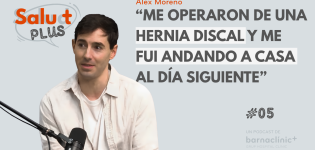
barnaclínic+ aborda la hernia discal lumbar y la cirugía endoscópica de columna en el quinto episodio de “Salud (t) Plus”
Tras los anteriores episodios de “Salud (t) Plus”, el podcast de barnaclínic+ que acerca experiencias reales de salud de la mano de pacientes y profesionales, este quinto capítulo se centra en la hernia discal lumbar, una patología de columna que puede provocar dolor lumbar y dolor en la pierna, y en la cirugía endoscópica de […]
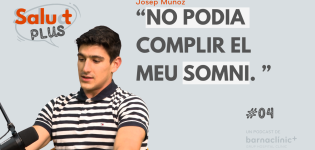
barnaclínic+ aborda la cirugía refractiva con lentes ICL en el nuevo episodio de “Salud (t) Plus”
Coincidiendo con el Día Mundial de la Visión, “Salud (t) Plus”, el podcast de barnaclínic+ que acerca experiencias reales de salud de la mano de pacientes y profesionales, estrena su cuarto episodio. Esta vez está dedicado a la cirugía refractiva con lentes ICL, una alternativa al láser para corregir la visión. El protagonista es Josep […]

barnaclínic+ incorpora Omnipod 5, un nuevo sistema de asa cerrada sin tubos
barnaclínic+ incorpora Omnipod 5 ®, un nuevo sistema automatizado de administración de insulina para personas con diabetes tipo 1 que presenta una característica diferencial respecto a otras bombas de insulina: no necesita tubos ni catéter externo. El sistema utiliza un pequeño Pod que se adhiere directamente a la piel y administra automáticamente la insulina a […]