



All therapeutic options for obesity in a single internationally recognized center
A team with extensive experience in the treatment of obesity and a long track record of supporting these patients
What is obesity?
Obesity is a disease characterized by excessive accumulation of body fat that compromises health.
Traditionally, it is primarily diagnosed using the Body Mass Index (BMI):
· BMI 30–34.9 → Class I obesity (obesity type 1)
· BMI 35–39.9 → Class II obesity (obesity type 2)
· BMI ≥40 → Class III obesity or severe obesity (obesity type 3)
Overweight is defined as a BMI ≥25. In certain populations of non-European ancestry, lower BMI thresholds may be considered due to differences in cardiometabolic risk.
Is obesity a disease?
Yes. Obesity is recognized as a chronic disease by the World Health Organization and major international scientific societies. It is not simply a matter of willpower, but a metabolic disorder influenced by genetic, hormonal, environmental and behavioral factors.
This distinction is essential: understanding that obesity is a disease allows it to be addressed medically and helps prevent stigma.
Types and degrees of obesity
There are different types of obesity depending on body fat distribution:
Abdominal or central obesity
This type is characterized by fat accumulation in the abdominal area and waist circumference; it is the type of obesity associated with the highest cardiovascular and metabolic risk, as it is linked to insulin resistance, type 2 diabetes and hypertension.
Peripheral or gynoid obesity
This involves fat accumulation in the hips, thighs and buttocks; it is generally associated with a lower cardiovascular risk than abdominal obesity, although metabolic complications may still occur when other risk factors are present.
The different classes of obesity determine clinical risk:
Class I obesity (BMI 30–34.9)
Also referred to as obesity type 1, it is associated with a moderate metabolic risk, particularly when conditions such as hypertension or insulin resistance are present.
Class II obesity (BMI 35–39.9)
Equivalent to obesity type 2, it carries a high metabolic risk and a greater likelihood of developing type 2 diabetes, cardiovascular disease or other associated complications.
Class III obesity or severe obesity (BMI ≥40)
Also known as obesity type 3 or severe obesity, it involves a very high metabolic risk and a significant increase in cardiovascular events and mortality if left untreated.
Medical consequences of obesity
Untreated obesity may lead to:
· Type 2 diabetes
· Cardiovascular disease
· Heart failure
· Sleep apnea
· Metabolic fatty liver disease
· Osteoarticular disorders
· Increased risk of certain cancers
Class II and Class III obesity significantly increase the risk of cardiovascular events.
Treating obesity is not only about losing weight: it is about reducing cardiovascular risk and improving life expectancy and quality of life.
Diagnosis of obesity
The diagnosis of obesity in a specialized unit goes beyond calculating BMI. When indicated, an assessment of behavioral and emotional factors related to eating is also performed, with the aim of addressing the disease from a truly comprehensive perspective.
At barnaclínic+, we provide:

Body composition assessment

Comprehensive metabolic evaluation

Hormonal testing

Cardiovascular risk assessment

Identification of obesity-related conditions

Assessment of behavioral and emotional factors
The benefit is clear: the same therapeutic outcome can be achieved with a significantly lower impact on the patient.
The multidisciplinary and comprehensive approach to diagnosis allows us to determine the most appropriate obesity treatment for each patient.
Obesity treatment: available options
Obesity treatment must be individualized and multidisciplinary. There is no single solution that fits all patients.
At barnaclínic+, we offer:

Pharmacological treatment for obesity
Indicated for people living with obesity, including those with a BMI ≥27 who have obesity-related medical conditions. It includes the latest anti-obesity medications that act on appetite regulation and metabolism under endocrinology supervision.
More information about pharmacological treatment

Endoscopic obesity treatment
Techniques such as endoscopic gastroplasty, sleeve gastroplasty (endoscopic sleeve) or the Apollo method, as well as the gastric balloon, allow stomach reduction without surgery in selected cases.

Bariatric surgery
Indicated for severe obesity or Class I–II obesity with associated comorbidities. It includes gastric bypass and its variants (such as SADIS) and laparoscopic sleeve gastrectomy.
Why treat obesity in a specialized unit?
Choosing where to treat obesity is an important medical decision. It is not only about losing weight, but about reducing cardiovascular risk and preventing metabolic complications.
At barnaclínic+, our approach is based on clinical expertise, individualized assessment and structured follow-up.

Medical expertise and comprehensive approach
Obesity is a complex metabolic disease that requires specialized evaluation. Our Endocrinology and Nutrition team, nationally and internationally recognized in the field, assesses the class of obesity, cardiovascular risk and associated conditions in order to select the most appropriate treatment for each patient.
The goal is to address the disease from a medical perspective rather than solely a dietary one.

All therapeutic options within a single specialized unit
Not all patients require the same obesity treatment. Depending on the clinical profile, treatment may include pharmacological therapy, endoscopic techniques or bariatric surgery.
Having all available options within the same unit ensures that decisions are based exclusively on medical criteria.

Structured follow-up and clinical safety
Obesity is a chronic disease that requires medium- and long-term management. Our care model includes ongoing clinical follow-up and metabolic monitoring to optimize outcomes and minimize complications.

Evidence-based approach
barnaclínic+ is part of the healthcare ecosystem linked to the Hospital Clínic of Barcelona. Obesity treatment at barnaclínic+ is based on updated clinical protocols and robust scientific evidence.

Beyond weight loss: improving overall health
The goal is not only to reduce body weight, but to improve metabolic health, lower cardiovascular risk and enhance quality of life.
Specialized treatment allows early intervention and helps prevent future complications.
EXPERT TEAM IN OBESITY









Frequently asked questions about obesity
Is obesity really a disease or just excess weight?
Obesity is a chronic disease recognized by the World Health Organization. It is not simply a matter of weighing more than recommended, but a metabolic disorder that increases the risk of type 2 diabetes, hypertension, cardiovascular disease and heart failure.
Recognizing obesity as a disease allows it to be addressed medically rather than solely from an aesthetic or dietary perspective.
What is severe obesity?
Severe obesity (also known as Class III obesity) is defined as a Body Mass Index (BMI) of 40 or higher.
The term morbid obesity, which is currently falling out of use, historically referred to severe obesity or a BMI greater than 35 when associated with obesity-related medical conditions, and was linked to traditional surgical eligibility criteria.
What are the causes of obesity?
Obesity is a multifactorial disease. It may be related to genetic predisposition, hormonal imbalances, sedentary lifestyle, high-calorie diet, sleep disorders or environmental factors.
It is not simply the result of a lack of willpower. Appetite and metabolic regulation are influenced by complex hormonal mechanisms that may require medical treatment.
What happens if obesity is left untreated?
Obesity can behave as a progressive disease. Without appropriate treatment, metabolic deterioration may occur, leading to increased cardiovascular risk and the development of chronic associated conditions.
In Class II and severe (Class III) obesity, the risk of cardiovascular events and reduced life expectancy is higher. Early intervention helps prevent future complications.
Can obesity be treated without surgery?
Yes. There are different treatment options depending on the class of obesity and the patient’s clinical profile, including supervised medical and nutritional management, pharmacological therapy, minimally invasive endoscopic techniques and/or bariatric surgery when indicated.
The choice should be made after an individualized assessment in a specialized unit.
How much weight can be lost with medical treatment?
Weight loss depends on the selected treatment and the patient’s metabolic profile. Current therapies can achieve clinically significant reductions, often exceeding 20% of initial body weight, under medical supervision.
More important than the number of kilograms lost is the improvement in metabolic control and the reduction of cardiovascular risk.
Can obesity return after treatment?
Obesity is a chronic disease, and weight regain may occur if medical follow-up and sustained lifestyle changes are not maintained.
For this reason, structured medium- and long-term follow-up is essential to maintain results.
When should I consult an obesity specialist?
Consultation is recommended when:
· You have overweight or obesity.
· There are obesity-related medical conditions.
· Weight loss is not achieved with conventional measures.
A specialized assessment allows the most appropriate treatment to be defined and helps reduce future health risks.
BLOG
Obesity and heart failure: what changes with the new European indication for tirzepatide
March 4, World Obesity Day, is an opportunity to remember that obesity is not an aesthetic issue but a complex chronic disease with a direct impact on metabolic and cardiovascular health. In this context, the recent extension of the European indication for tirzepatide —the active ingredient of Mounjaro— in patients with obesity and heart failure […]
Robotic cardiac surgery at barnaclínic+: a consolidated program with 11 interventions performed in 2025
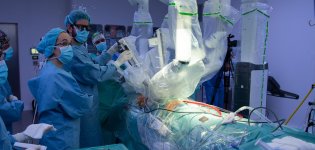
The robotic cardiac surgery is today one of the most advanced forms of minimally invasive cardiac surgery, making it possible to treat complex heart conditions with the same effectiveness as conventional surgery, but with significantly less surgical trauma. In this context, barnaclínic+ performed 11 robotic cardiac surgeries throughout 2025, integrating this highly complex technique into […]

barnaclínic+ addresses electroporation as a new treatment for atrial fibrillation on the “Salud (t) Plus” podcast
Following the first episode of “Salud (t) Plus”, the barnaclínic+ podcast that launched the format with the real-life experience of Ares Teixidó, who shared how she has learned to live with type 1 diabetes, this new episode focuses on electroporation, an innovative treatment for atrial fibrillation, one of the most common cardiac arrhythmias. Through a […]