



12 de November de 2026
COPD symptoms: why 7 in 10 people who have it don’t know it
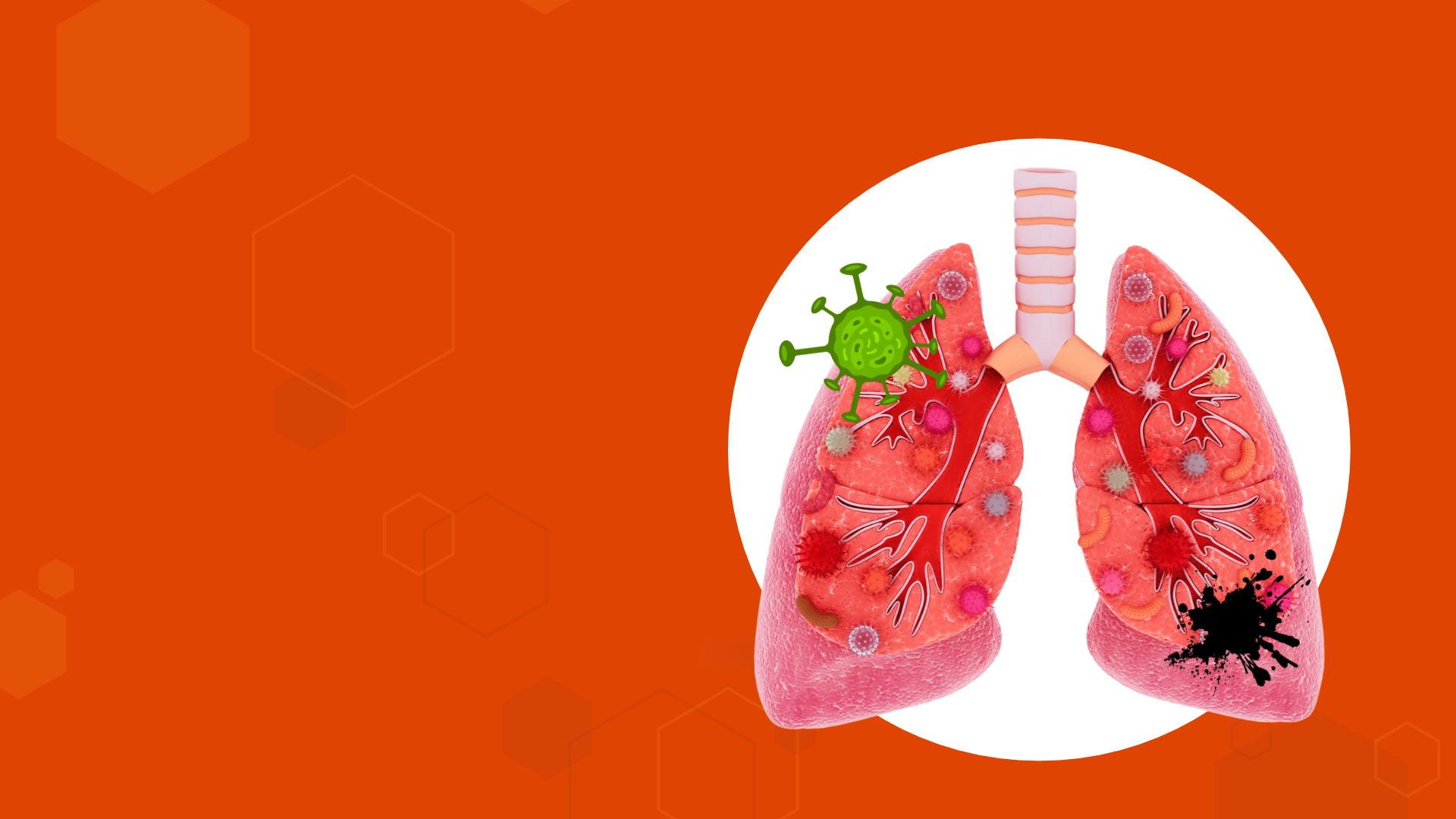
The symptoms of COPD —cough, phlegm and breathlessness when walking— are often mistaken for the effects of ageing, which is why chronic obstructive pulmonary disease is one of the most underdiagnosed respiratory conditions. According to Dr Àlvar Agustí, specialist in Pulmonology at barnaclínic+, 70% of people with COPD, both worldwide and in Spain, do not know they have it and, as a result, are not receiving treatment.
To mark World Pneumonia Day, Dr Agustí explains how to recognise the symptoms of COPD, when it is advisable to have a spirometry test, and why pneumonia is more frequent and more severe in people with this disease. COPD has no cure, but it can be treated: an early diagnosis makes it possible to slow its progression and improve quality of life.
What is COPD and why is it underdiagnosed?
COPD (chronic obstructive pulmonary disease) is, as its name indicates, a chronic lung disease. It encompasses what used to be known as chronic bronchitis —inflammation of the bronchi or airways— and emphysema, which the specialist describes as “holes in the lung”. Many patients have both at the same time.
The main risk factor for COPD is smoking. It is not the only one, but it is one of the most important. Despite how common it is, most people with COPD do not know they have it, which delays the start of treatment.
“70% of patients who have COPD don’t know it. And if they are not diagnosed, they are not treated.”
Dr Àlvar Agustí
Specialist in Pulmonology at barnaclínic+
 “70% of patients who have COPD don’t know it. And if they are not diagnosed, they are not treated.”
COPD symptoms: not just “part of getting older”
The first symptoms of COPD are:
- Breathlessness or dyspnoea: difficulty breathing when walking or making an effort.
- Cough, sometimes with phlegm (sputum).
Many patients put these symptoms down to age. Although it is true that they can appear as we get older, Dr Agustí stresses that they are not normal symptoms and should prompt a visit to a pulmonology specialist to confirm or rule out the diagnosis.
In addition, not all patients have the same symptoms or the same intensity, and many people adapt their lifestyle to avoid them without realising it: for example, they always take the lift instead of the stairs and, in this way, stop noticing the breathlessness.
Dr Àlvar Agustí
Specialist in Pulmonology at barnaclínic+
When should you have a spirometry test?
Spirometry is the test the specialist can use to diagnose COPD. According to Dr Agustí, there is no need to wait for symptoms to appear: having smoked for years is, in itself, a reason to have a spirometry test.
For this reason, the recommendation for any smoker —with or without breathlessness, with or without cough and phlegm— is twofold: stop smoking and have a spirometry test. For the first, the barnaclínic+ Smoking Cessation Unit specialises in the diagnosis and treatment of tobacco addiction.
Dr Àlvar Agustí
Specialist in Pulmonology at barnaclínic+
DO YOU SMOKE OR HAVE YOU SMOKED FOR YEARS?
Having a cough, phlegm or breathlessness when walking is not normal. The barnaclínic+ Pulmonology team can assess your case and guide the diagnosis of COPD.
COPD treatment: no cure, but it can be treated
At present, COPD has no cure, but it does have treatment. As Dr Agustí explains, treatment does not cure the disease, but it achieves two goals: preventing its progression and significantly improving patients’ quality of life and prognosis. Hence the importance of diagnosis: without a diagnosis, there is no treatment.
Treating the lungs: inhalers
As it is a lung disease, COPD treatment focuses on the lungs and is mainly based on inhalers. There are many types, and some combine two or even three medicines.
A key aspect is using inhalers correctly: if they are not taken properly they are not effective, and if they are not taken at all, they have no effect. That is why it is important for a pulmonology specialist to assess which combination of medicines is most suitable in each case and to teach the patient how to use them correctly.
Beyond the lungs
COPD also has effects outside the lungs, which appear in many patients:
- On the circulation: cardiovascular disease.
- On the bones: osteoporosis.
- On the muscles: loss of muscle mass.
These aspects also require treatment, with measures such as rehabilitation, the vaccination schedule, nutrition and good rest.
COPD exacerbations: when to seek medical advice
A COPD exacerbation —also known as a flare-up or lung attack— is a situation in which the patient’s usual symptoms increase significantly: for example, going from getting breathless only after walking for half an hour to not being able to reach the bathroom.
They are usually accompanied by more breathlessness, cough, phlegm and, sometimes, fever. When these signs appear, it is important to see a doctor or specialist promptly, as treating an exacerbation often requires antibiotics or anti-inflammatory medication. Many exacerbations are caused by infections, and this is where another respiratory disease comes into play, one that can become particularly complicated in patients with COPD: pneumonia.
Pneumonia and COPD: why it is more severe and how to prevent it
Pneumonia is a respiratory infection that can affect perfectly healthy people. However, in patients with COPD it is more frequent and more severe because, owing to their underlying disease, their lungs have less functional reserve and more difficulty clearing phlegm.
Symptoms of pneumonia
The most important signs that may indicate pneumonia are:
- Fever, sometimes with shivering.
- Cough with phlegm, which is often dark.
- Chest pain when breathing deeply.
If you have these symptoms, with or without COPD, it is important to see a specialist promptly. Pneumonia can be bacterial, viral —such as that caused by COVID— or, in rare cases, fungal. According to Dr Agustí, it usually responds well to antibiotic treatment and the person returns to their normal state within ten to fifteen days. If you still feel unwell after a month, it is advisable to seek medical advice again, as it may be what is known as slow-resolving pneumonia.
If you would like to know more, on our blog we explain the differences between pneumonia and bronchitis.
Three keys to preventing pneumonia
Dr Agustí sums up pneumonia prevention in three keys:
- Education: knowing what pneumonia is and what its symptoms are, so it can be recognised and treated in time.
- Vaccination: there are vaccines against flu, COVID, pneumococcus, respiratory syncytial virus (RSV) and shingles (herpes zoster), recommended for adults and especially for people with COPD.
- Quitting smoking: not smoking, or stopping smoking as soon as possible.
Living with COPD: four keys from the specialist
To look after lung health with COPD, Dr Agustí recommends going back to basics:
- Don’t smoke: this is the first step to stop inflaming the lungs.
- Follow your treatment: if the inhaler is not used, or is used incorrectly, it is not effective.
- Lead a healthy life and exercise: walking every day, for example by taking the dog out three or four times a day, is a good way to stay active.
- Get vaccinated: many exacerbations are caused by infections, and vaccines help prevent them.
Dr Àlvar Agustí
Specialist in Pulmonology at barnaclínic+
COPD diagnosis and treatment in Barcelona
COPD is a common disease that often goes unnoticed and whose symptoms are mistaken for the effects of ageing. Detecting it in time makes it possible to slow its progression and gain quality of life. The barnaclínic+ Pulmonology team offers specialist assessment, diagnosis and personalised treatment of COPD, covering both the lungs and the aspects that go beyond them.
For smokers, the barnaclínic+ Smoking Cessation Unit offers specialist support to quit smoking, the first step to protecting lung health.
In the following video, Dr Àlvar Agustí explains what COPD is, what its first symptoms are, when to have a spirometry test, how the disease is treated and why pneumonia is more severe in people who have it.
Frequently asked questions about COPD and pneumonia
Can COPD be cured?
What is the difference between COPD and emphysema?
How is pneumonia different from bronchitis?
How long does it take to recover from pneumonia?
Can pneumonia leave lasting damage?
Do you have a cough, phlegm or get breathless after a few steps?
An assessment by a pulmonology specialist can determine whether these symptoms are due to COPD and establish the most suitable treatment for your case.


