



22 de September de 2025
What to do if you have been diagnosed with a pulmonary nodule?
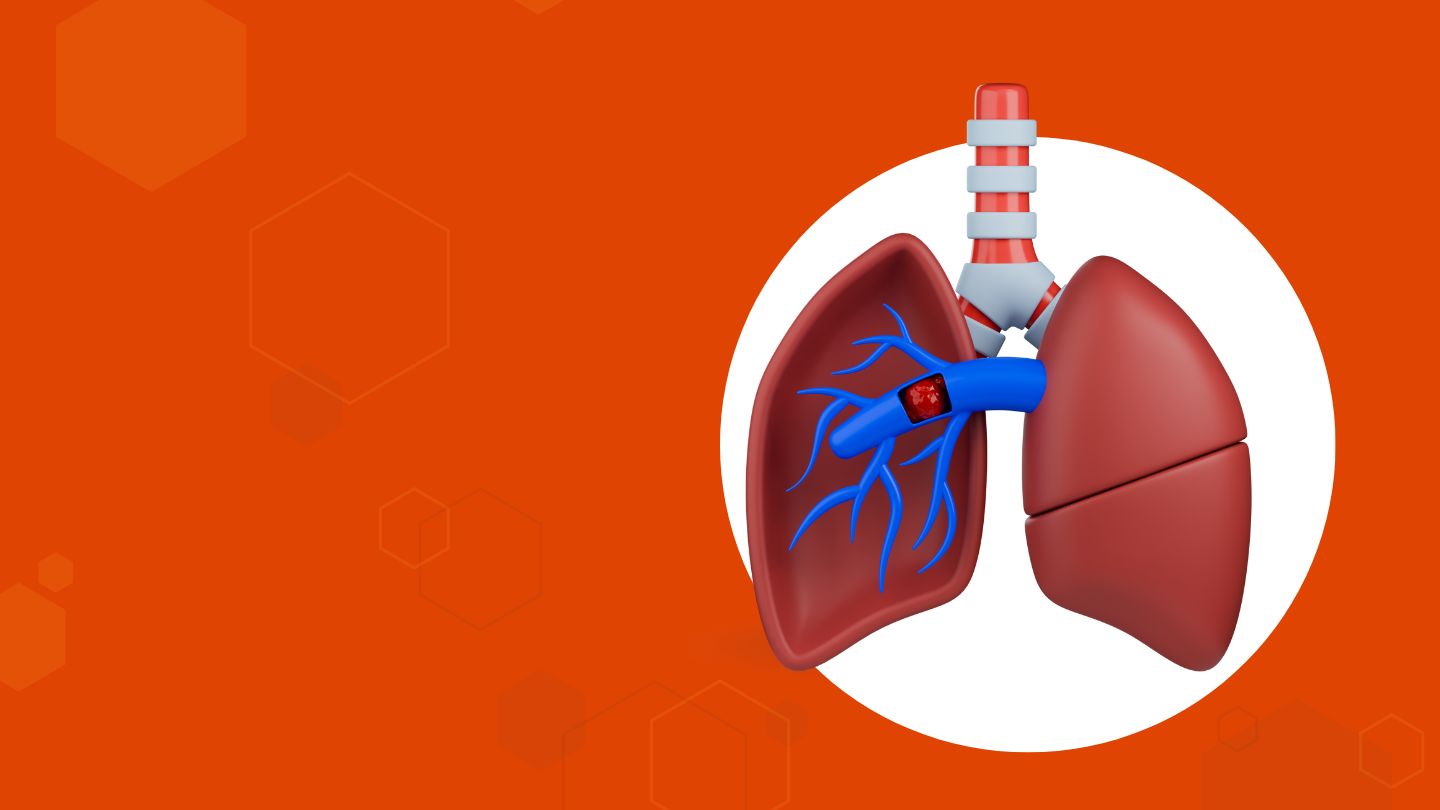
The detection of a pulmonary nodule is a common finding in thoracic imaging studies, such as chest X-rays or computed tomography (CT) scans. Although most of these lung nodules are benign, it is essential to carry out an adequate evaluation to rule out malignancy or lung cancer and determine the most appropriate treatment.
“Detecting a pulmonary nodule does not mean having cancer, but acting in time is key”
Dr. Ricard Ramos, thoracic surgeon at barnaclínic+ and Head of the Thoracic Surgery Department at Hospital Clínic de Barcelona

What is a lung nodule?
A pulmonary nodule is a small lesion, usually less than 3 cm, located in the lung. It can be single or multiple and appear solid, sub-solid, or as “ground-glass opacity.” Some may represent early stages of lung cancer, so it is important to study them to reach a diagnosis of malignancy or benignity.
When can a pulmonary nodule be malignant?
The likelihood of malignancy increases with certain factors:
- Size: nodules larger than 8 mm carry higher risk.
- Morphology: irregular or spiculated edges.
- Growth: increase in size in follow-up studies.
- History: smoking, older age, exposure to carcinogens.
“A small, round pulmonary nodule may not be concerning, but one with irregular edges does require urgent study”
Dr. Ricard Ramos
Diagnosis and follow-up of a pulmonary nodule
The evaluation of a pulmonary nodule includes:
- High-resolution CT: to characterize the pulmonary nodule.
- PET-CT: assesses the metabolic activity of the nodule.
- Biopsy: via bronchoscopy or transthoracic puncture, depending on location.
- Follow-up: periodic studies to observe changes in the lung nodule.
When is it necessary to operate on a pulmonary nodule?
Pulmonary nodule surgery is indicated when:
- The pulmonary nodule has suspicious malignant features.
- There is growth in follow-up studies.
- The biopsy confirms or does not rule out lung cancer.
The intervention allows for nodule resection and a definitive diagnosis.
“Minimally invasive thoracic surgery allows the nodule to be removed precisely, with minimal discomfort and only 24-48h of hospital stay”
Dr. Ricard Ramos
What if the nodule is lung cancer at stage 1 or 2?
Early detection of lung cancer significantly improves prognosis. In early stages, surgery can be curative. In some cases, it is complemented with treatments such as chemotherapy or immunotherapy.
In the presence of a diagnosis or high suspicion of lung cancer requiring surgical treatment, it is necessary to carry out a study of resectability and operability through the complementary tests mentioned above and a complete lung function assessment.
“A lung cancer diagnosed at stage 1 can be cured with surgery in most cases”
Dr. Ricard Ramos
The latest surgical techniques to treat pulmonary nodules
The detection of a pulmonary nodule requires careful evaluation to determine its nature and the appropriate treatment. At Thoracic Surgery barnaclínic+, we offer a multidisciplinary approach and advanced surgical techniques to provide the best care to our patients. Minimally invasive robotic surgery is the standard practice at barnaclínic+, being leaders in uniportal robotic surgery. Preoperative evaluation and individualized follow-up during and after surgery are essential for our patients.
Have you been diagnosed with a pulmonary nodule?
Our team of thoracic surgery specialists can help you clarify the diagnosis and define the best treatment.


