



29 de October de 2025
Exercise stress test: what it is, how long it lasts, and how it is performed
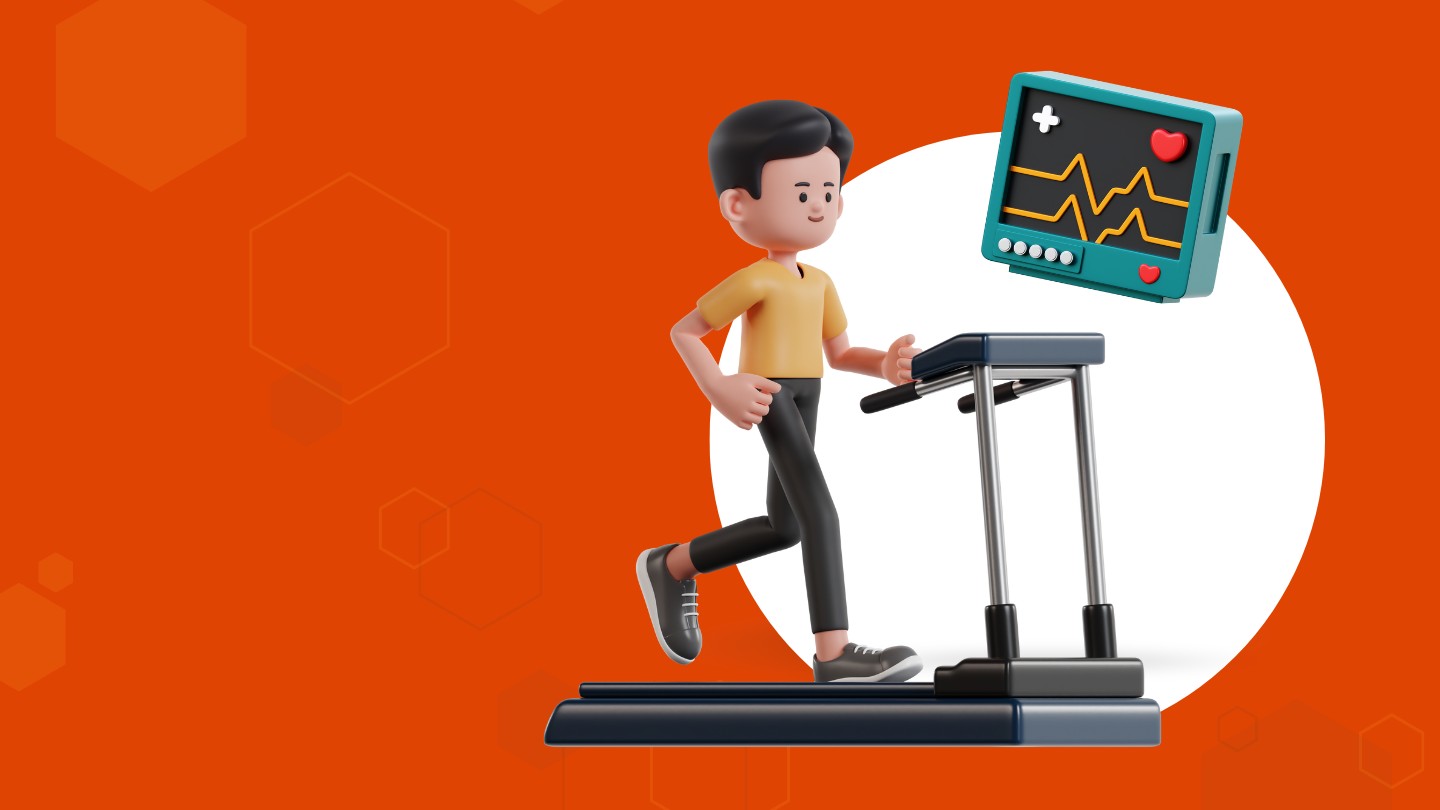
Dr. Eva Ferrer, a specialist in Sports and Exercise Medicine at the Sports Medicine Unit, explains key details about the exercise stress test: what it is, how long it lasts, why it is important, how it is performed, and what risks it involves. Understanding these aspects can help us appreciate its importance in taking care of our cardiovascular health.
What is an exercise stress test?
The exercise stress test, also known as ergometry, is an examination that assesses how the heart responds while we exercise. In this way, we can detect possible heart problems, measure lung capacity, and evaluate the overall condition of the cardiovascular system.
This test is especially useful both for people at risk of heart disease and for athletes who want to understand and improve their cardiovascular performance.
Why is it important to do the exercise stress test under specialist supervision?
As Dr. Eva Ferrer explains, it is important to perform the test under the supervision of a sports medicine specialist, as it includes:
- Pre-exercise sports medical check-up of the medical history to understand personal, family, and sports-related background.
- Physical examination to detect potential limitations before exercising.
- Continuous monitoring, using electrodes, of the electrocardiogram and heart rate during the test and recovery.
“When a patient comes in for a functional assessment—an exercise stress test—we first review their medical history to understand personal, family, and sports background… Because playing basketball, running, or swimming is not the same.”
Dr. Eva Ferrer
 “When a patient comes in for a functional assessment—an exercise stress test—we first review their medical history to understand personal, family, and sports background… Because playing basketball, running, or swimming is not the same.”
 How long does an exercise stress test take?
The entire process usually lasts between 60 and 90 minutes, including the review of medical history, the sports medical check-up, exercise and recovery, and the subsequent analysis of results and recommendations. The active exercise phase generally lasts between 10 and 20 minutes, depending on the patient’s condition and fitness level.
How is an exercise stress test performed?
Preparation for the ergometry is simple: it is recommended to wear comfortable clothing and footwear to facilitate exercise and to avoid heavy meals before the appointment.
During the test, the patient walks on a treadmill with gradually increasing speed and incline, or pedals on a bicycle with progressively increasing resistance. The medical team continuously monitors the electrocardiogram and blood pressure to detect any changes or symptoms that might indicate the need to stop the test.
When the predicted maximum heart rate is reached, or if the patient experiences discomfort, the test is stopped to begin the recovery phase, which is also monitored until heart rhythm returns to normal.
“If anything happens on the electrocardiogram during the test, we can see it—and it is also essential that the patient tells us if they feel any discomfort.”
Dr. Eva Ferrer
What is the exercise stress test for?
The exercise stress test is a key tool to assess physical capacity in athletes and in people who want to start physical activity safely.
It is also essential for diagnosing and evaluating heart diseases such as coronary artery disease, arrhythmias, or high blood pressure.
It allows physicians to gain a clear view of cardiovascular status, adjust medical treatments, and recommend rehabilitation programs or tailored exercise when needed—reducing risks and improving overall health.
What are the risks of an exercise stress test?
The exercise stress test is generally safe and complications are uncommon. However, risks such as low blood pressure, irregular heart rhythms (arrhythmias), or, in very rare cases, heart attacks during exertion or sudden cardiac death may occur. For this reason, continuous monitoring and specialist supervision are essential to ensure patient safety.
The exercise stress test is a valuable tool for looking after our heart’s health and practicing sport safely. It is a simple, safe, and well-tolerated examination that provides key information to prevent and treat cardiovascular diseases.
A multidisciplinary unit with experience across all stages of life
The Sports Medicine Unit of Sant Joan de Déu and barnaclínic+ is a joint project between two leading institutions in the Catalan healthcare system. It was created to offer specialised care, prevention, and support to people of all ages, activity levels, and life stages.
Its multidisciplinary team —made up of specialists in sports medicine, personal trainers, physiotherapists, gynaecologists, endocrinologists, nutritionists, and cardiologists— provides comprehensive support to athletes, active individuals, and pregnant women who wish to stay active with safety and medical rigour.
If you have any questions or need an exercise stress test, don’t hesitate to book an appointment with the Sports Medicine Unit of Sant Joan de Déu Barcelona and barnaclínic+. Our team of specialists, led by professionals such as Dr. Eva Ferrer, is ready to support you and offer the best medical follow-up for your well-being and physical performance. Book your consultation today and take the step towards a healthier heart!
🎥 Discover how Dr. Eva Ferrer explains every detail of the exercise stress test:


