



29 October, 2026
Teplizumab, a new treatment to delay the onset of type 1 diabetes, now available at barnaclínic+
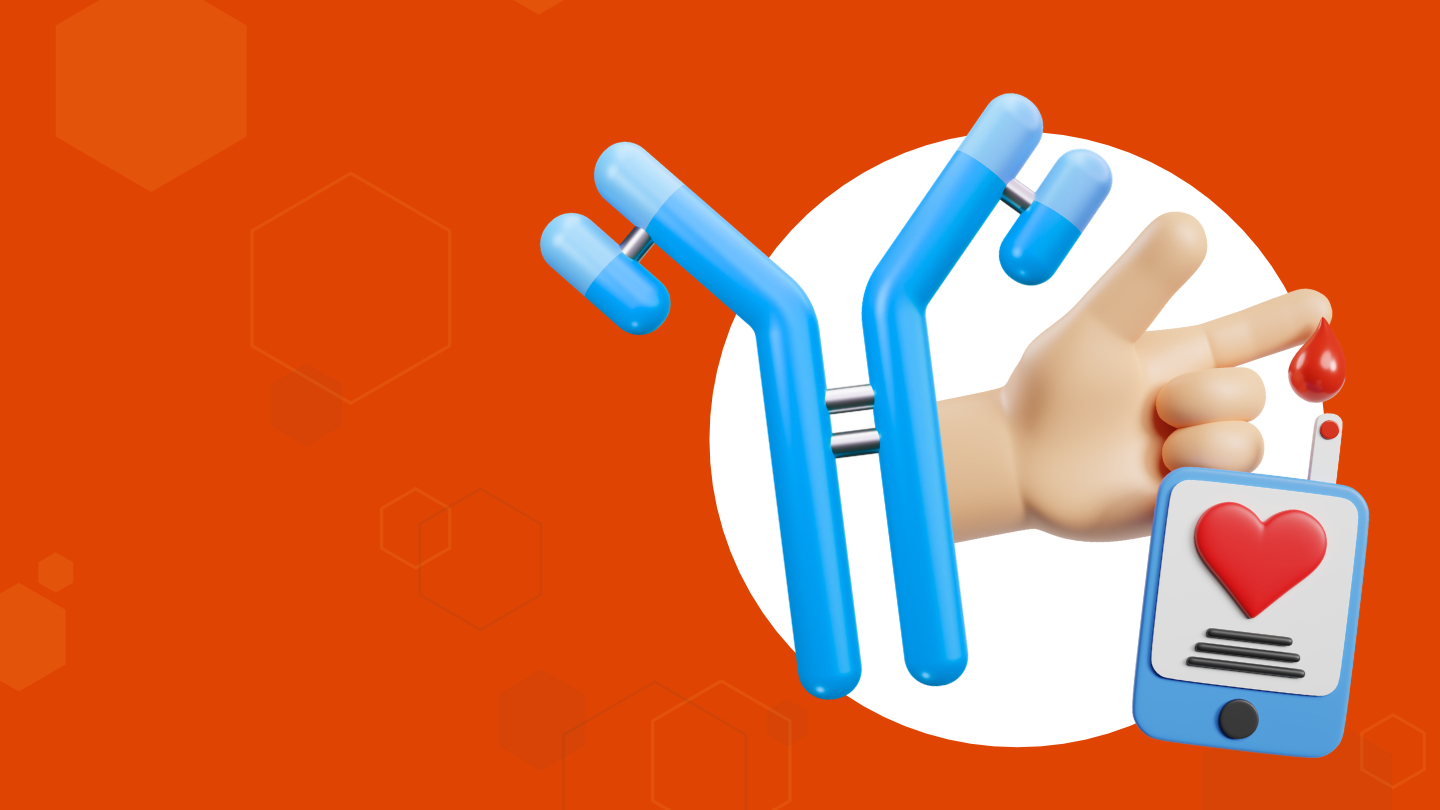
barnaclínic+ now offers Teplizumab (Teizeild®), a new treatment for type 1 diabetes that can delay the onset of clinical diabetes in certain patients who have not yet developed symptoms. This new biological therapy represents a paradigm shift in the management of type 1 diabetes, as it makes it possible to target the autoimmune process responsible for destroying insulin-producing cells before treatment for clinical diabetes becomes necessary.
The introduction of Teplizumab expands the options for early treatment of type 1 diabetes at barnaclínic+ and highlights the importance of type 1 diabetes screening and early diagnosis. Identifying people in the early stages of the disease, before symptoms appear, makes it possible to assess new therapeutic options to delay its progression.
Teplizumab makes it possible to target the autoimmune process underlying type 1 diabetes and delay its progression to the clinical stage in eligible patients
Teplizumab: a paradigm shift in the early treatment of type 1 diabetes
Until now, type 1 diabetes treatment has primarily focused on replacing the insulin that the body can no longer produce, either through multiple daily injections or insulin pumps and automated insulin delivery systems. However, advances in our understanding of the immunological mechanisms underlying the disease have enabled the development of new treatments for type 1 diabetes that can act before clinical symptoms appear.
According to Dr. Jesús Blanco, an endocrinologist specialising in diabetes at barnaclínic+ and Hospital Clínic Barcelona, this breakthrough represents a fundamental change in the therapeutic approach:
“For the first time, we can modify the natural course of type 1 diabetes.”
Dr. Jesús Blanco
Endocrinologist specialising in diabetes at barnaclínic+ and Hospital Clínic Barcelona
 “For the first time, we can modify the natural course of type 1 diabetes.”
Teplizumab is an anti-CD3 monoclonal antibody that targets CD3, a molecule found on the surface of certain T lymphocytes in the immune system. In type 1 diabetes, these immune cells are involved in the autoimmune process that progressively destroys the pancreatic beta cells responsible for producing insulin.
By modulating the activity of these lymphocytes, the treatment can slow down the autoimmune process and preserve the body’s ability to produce its own insulin for longer.
This breakthrough is part of a new generation of immunology-based treatments, an area of research we have previously explored on our blog when discussing the role of the immune system and new biological therapies in diabetes.
How long can this new treatment delay the onset of type 1 diabetes?
Clinical trials have shown that Teplizumab can delay the progression of type 1 diabetes from stage 2 to stage 3, when the disease meets the diagnostic criteria for clinical diabetes. According to Dr. Blanco, studies have observed an approximately two-year delay in the onset of clinical diabetes when comparing patients who received the treatment with those who did not.
However, it is important to emphasise that Teplizumab does not cure type 1 diabetes or permanently eliminate the risk of developing it. Although clinical trials demonstrate its effectiveness across groups of patients, it is not possible to determine exactly how long the onset of the disease will be delayed in any individual.
The aim of this treatment is to delay disease progression and preserve the body’s own insulin production for longer, before insulin therapy for clinical diabetes becomes necessary.
Who can benefit from new treatments for type 1 diabetes?
Teplizumab is authorised in the European Union to delay the progression of type 1 diabetes from stage 2 to stage 3 in adults and children aged 8 years and older who meet the treatment eligibility criteria.
To understand who may benefit from this treatment, it is important to recognise the three main stages of type 1 diabetes:
- Stage 1: two or more type 1 diabetes-related autoantibodies are detected, but blood glucose levels remain normal and there are no symptoms.
- Stage 2: in addition to the presence of autoantibodies, abnormalities in blood glucose levels begin to develop, although the diagnostic criteria for clinical diabetes have not yet been met. The person remains asymptomatic.
- Stage 3: the disease meets the diagnostic criteria for clinical diabetes. Symptoms such as excessive thirst, frequent urination, weight loss or fatigue may appear, and insulin treatment is generally required.
Teplizumab is authorised for use in patients with stage 2 type 1 diabetes, when the body still retains some insulin-producing capacity and there is an opportunity to delay progression to clinical diabetes.
For this reason, one of the main challenges associated with these new treatments is identifying people at this stage of the disease, before symptoms develop.
TYPE 1 DIABETES SCREENING AND EARLY DIAGNOSIS
Do you have a family history of type 1 diabetes? Screening can detect diabetes-related autoantibodies before symptoms appear and identify people who may benefit from specialist monitoring and new treatment options.
At barnaclínic+, we offer type 1 diabetes screening tests both at our clinic and at home, with specialist medical interpretation of the results.
Type 1 diabetes screening: the key to accessing early treatment
Type 1 diabetes is an autoimmune disease that can begin months or even years before the first symptoms appear. During this period, specific immunological markers can be identified, indicating that the process of destroying insulin-producing cells has already begun.
Type 1 diabetes screening involves a blood test to detect autoantibodies associated with the disease, particularly in people with a family history of type 1 diabetes. As Dr. Blanco explains, screening is intended for people who have not yet developed symptoms. When symptoms suggestive of diabetes are already present, appropriate diagnostic tests should be performed instead.
If screening detects positive autoantibodies, the medical team may carry out further blood glucose tests to determine the stage of the disease and establish appropriate follow-up recommendations.
Early identification, combined with appropriate monitoring, can reduce the risk of diabetic ketoacidosis at the time of diagnosis and, in certain patients with stage 2 type 1 diabetes, make it possible to assess the use of immunomodulatory treatments such as Teplizumab.
How is Teplizumab administered, and what follow-up is required?
Teplizumab is administered through an intravenous infusion over 14 consecutive days, in a hospital setting under specialist medical supervision.
Before starting treatment, it is essential to confirm that the patient meets the eligibility criteria, assess their clinical condition and rule out potential contraindications.
Possible adverse effects must also be monitored during treatment and follow-up. Known side effects include a temporary reduction in circulating lymphocytes, flu-like symptoms and liver abnormalities, as well as other reactions that require medical monitoring.
For this reason, Dr. Blanco emphasises the importance of administering the treatment in hospitals with the necessary resources to provide the infusion and manage any potential complications.
Appropriate patient selection, pre-treatment assessment and medical follow-up are essential to ensure the safe and effective use of these new therapies.
Dr. Jesús Blanco explains the latest advances in type 1 diabetes treatment
In the following video, Dr. Jesús Blanco explains how new biological therapies for type 1 diabetes work, which patients may benefit from them, what results they can achieve and why early diagnosis is essential to transforming the management of type 1 diabetes.
A new era in type 1 diabetes treatment
The introduction of Teplizumab represents a significant advance in the management of type 1 diabetes, opening up new possibilities for intervention during the earliest stages of the disease.
Although there is still no treatment capable of permanently curing type 1 diabetes, the possibility of modifying its natural progression represents a major change compared with the traditional therapeutic approach.
According to Dr. Blanco, Teplizumab marks the beginning of a new era in type 1 diabetes treatment, in which further therapies targeting the immunological mechanisms of the disease are expected to emerge:
Dr. Jesús Blanco
Endocrinologist specialising in diabetes at barnaclínic+ and Hospital Clínic Barcelona
In this new context, early detection, specialist assessment and medical follow-up are becoming increasingly important, as they make it possible to identify patients for whom intervention is still possible before the onset of clinical diabetes.
Through its screening programme and new treatment options, barnaclínic+ continues to move towards a specialised, early and personalised approach to type 1 diabetes, tailored to each patient’s needs.
Type 1 diabetes screening, assessment and follow-up in Barcelona
People with a family history of type 1 diabetes, or those interested in understanding their risk of developing the disease, can request an assessment with the specialist diabetes team at barnaclínic+.
The screening programme makes it possible to detect autoantibodies associated with type 1 diabetes, interpret the results and determine whether further testing or specific monitoring is required.
When a presymptomatic stage of the disease is identified, the medical team can assess the available monitoring and treatment options according to the disease stage and each patient’s individual characteristics.
This model of care combines early detection, clinical expertise and personalised follow-up to provide care tailored to the latest therapeutic advances in type 1 diabetes.
WOULD YOU LIKE TO KNOW YOUR RISK OF DEVELOPING TYPE 1 DIABETES?
Request an assessment with our specialist type 1 diabetes team at barnaclínic+. We will review your medical and family history and discuss screening and early diagnosis options to help you understand your risk and determine whether specialist follow-up is appropriate.