



24 September, 2026
barnaclínic+ Rehabilitation expands with new services and state-of-the-art facilities
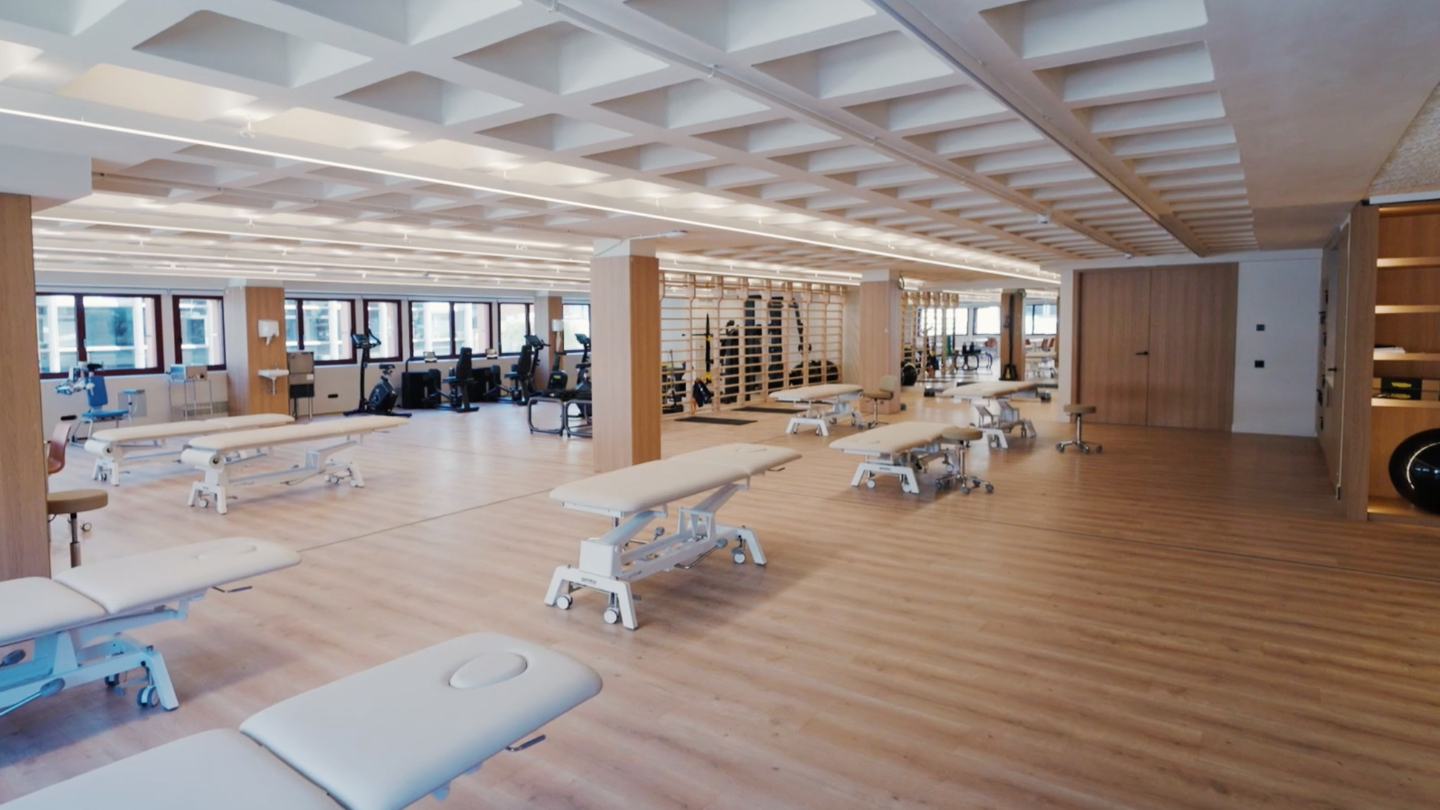
Physical Medicine and Rehabilitation at barnaclínic+ is entering a new phase with a broader range of healthcare services and new facilities specifically dedicated to rehabilitation, physiotherapy and functional recovery. Led by Dr Conxita Closa, a specialist in Physical Medicine and Rehabilitation and Head of the Rehabilitation Department at Hospital Clínic Barcelona, the new model combines clinical excellence, personalised care, advanced technology and state-of-the-art facilities to address problems affecting mobility, function and independence.
Services are provided at Epsilon Physio Sports Medical Center, located in central Barcelona, with barnaclínic+ as its medical partner. Its 1,200 m² facilities include spaces for individualised treatments and a large functional recovery area, allowing patients to receive continuous care from medical assessment and diagnosis through to physiotherapy, therapeutic exercise and the different stages of their recovery.
Rehabilitation is much more than physiotherapy
One of the pillars of this model is the role of the rehabilitation physician. Physical Medicine and Rehabilitation is a multidisciplinary medical specialty that assesses the functional consequences of an injury or disease, establishes a diagnosis and determines which treatments are needed to restore the highest possible level of function and independence.
“We are specialists in disability. We can provide a prognosis and determine the extent to which a patient may be left with lasting impairments. Our goal is always to achieve the greatest possible independence”
Dr Conxita Closa, specialist in Physical Medicine and Rehabilitation
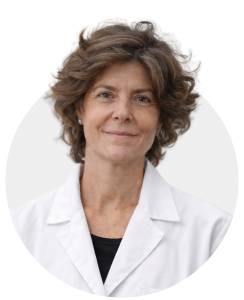 “We are specialists in disability. We can provide a prognosis and determine the extent to which a patient may be left with lasting impairments. Our goal is always to achieve the greatest possible independence”
The rehabilitation physician identifies which functions have been affected and what each patient needs to recover, sets recovery goals and coordinates treatment with physiotherapists and, when necessary, other healthcare professionals. The aim is not simply to treat pain or a specific injury, but to help patients regain the ability to perform the activities they need in their daily lives.
Do you need to regain mobility, function or independence?
Find out how our rehabilitation physicians can assess your case and design a personalised rehabilitation plan to help you regain the highest possible level of function.
Specialised rehabilitation for a wide range of needs
The expansion of our services enables us to address a wide range of conditions affecting mobility, function and independence. These include musculoskeletal pain and injuries, such as back problems, shoulder or knee conditions, tendinopathies, muscle injuries and ligament injuries, osteoarthritis, and loss of mobility and strength.
We also offer post-surgical and post-traumatic rehabilitation programmes, as well as specialised care in neurological and cancer rehabilitation, facial paralysis, lymphoedema and lipoedema, temporomandibular joint (TMJ) disorders and rehabilitation for patients with limb amputations, among other areas.
For patients who need to return to physical activity after an injury, the team can work closely with the Sports Medicine Unit of Hospital Sant Joan de Déu and barnaclínic+, also located at the Epsilon Physio centre, ensuring continuity between rehabilitation, functional recovery and a progressive return to sport.
Advanced technology for more precise diagnosis and treatment
Physical Medicine and Rehabilitation has evolved significantly in recent years. Alongside the expertise of our healthcare professionals, new tools make it possible to identify affected structures more precisely and personalise treatment according to each patient’s needs.
Treatment may include, among other options, musculoskeletal ultrasound, ultrasound-guided interventions, injections, botulinum toxin, clinical physiotherapy, therapeutic exercise, biomechanical assessment and the prescription of orthoses, prostheses and assistive devices.
“In the past, we relied heavily on anatomical landmarks. Now, with ultrasound, we can perform much more targeted interventions”
Dr Conxita Closa, specialist in Physical Medicine and Rehabilitation
The combination of highly experienced specialists, advanced technology and facilities specifically designed for functional recovery makes it possible to develop individualised plans and adapt treatment to each person’s progress and goals.
Restoring function to regain independence
The success of rehabilitation treatment is not measured solely by the disappearance of pain or by regaining a certain range of motion. Recovery should enable patients to use that function again in their daily lives: walking, working, practising sport or independently carrying out their usual activities.
“The goal is always to restore function. If we can recover it completely, all the better; if not, we aim to restore the independence or level of function that the patient needs”
Dr Conxita Closa, specialist in Physical Medicine and Rehabilitation
For this reason, every rehabilitation process begins with an individualised assessment and recovery goals tailored to the patient. When full recovery is not possible, rehabilitation can also help develop strategies to compensate for lasting impairments, reduce their impact and preserve the highest possible level of independence and quality of life.
Do you need to regain mobility, function or independence?
An assessment by a rehabilitation physician can identify what is limiting your recovery, establish your goals and determine the most appropriate treatment for your needs.